In developing my Makey Makey hack, I sought to explore how play is integrated into our daily cultural practices, with a particular focus on the realms of self-help and wellness. This project emerged from my personal experience: while I have never naturally gravitated toward “games” or “tricks” as a means to improve my mood or mental state—preferring instead the reflective nature of journaling or deep conversation—I recognize the immense market and cultural appeal these self-help games hold. My experiences with such tools have been paradoxical; while they often facilitate introspection and self-awareness, they can also serve as a stark mirror reflecting past struggles. For example, features like Apple’s mental health section in the Health app invite users to track their emotions daily. Initially, this can be a beneficial act of self-reflection, yet over prolonged periods marked by stress or burnout, it can feel like a competition—a performance where one “wins” only when already happy, and “loses” when the chart indicates otherwise.
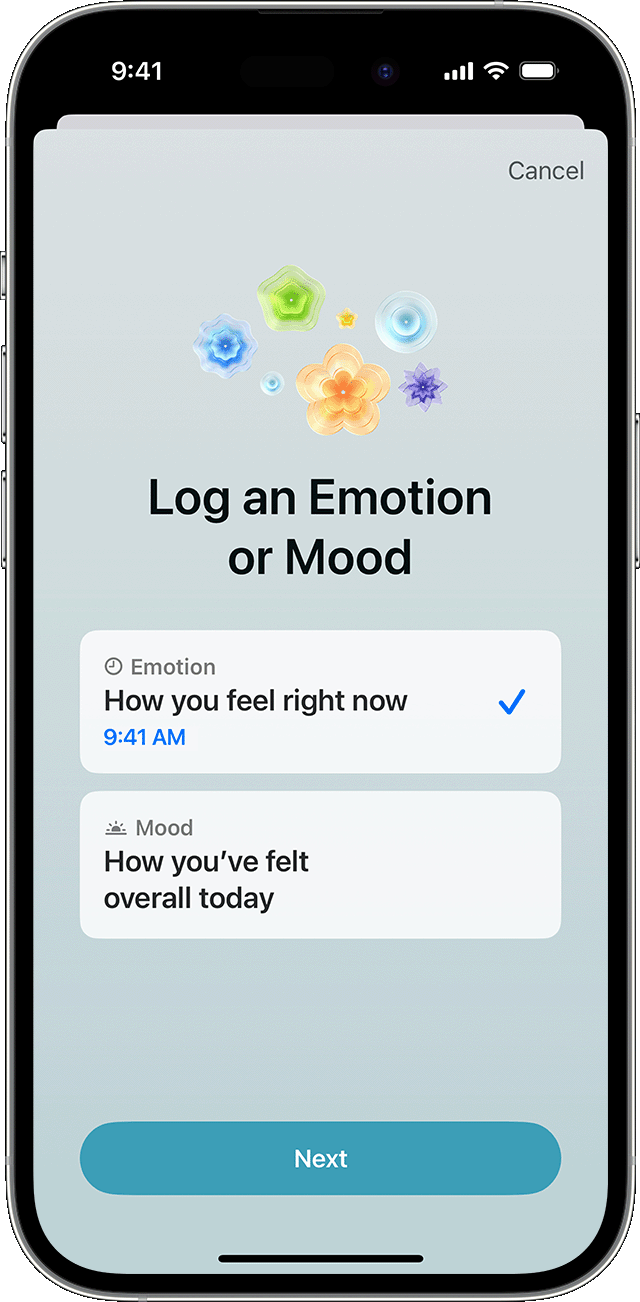
Inspired by the readings of Huizinga and Caillois, I decided to ground my project in a deliberate contradiction: using a seemingly light-hearted and non-serious medium to address the gravely serious topic of mental health. Huizinga’s discussion of the fluid boundary between play and seriousness (as noted on page 103) provided a theoretical framework that resonated deeply with my intent. I found it fitting to adopt a non-serious visual and scoring system—a deliberate aesthetic that disguises the heavy undercurrents of self-assessment and mental wellbeing. In this way, my hack becomes a playful yet pointed commentary on the inherent contradictions of self-help culture.
Caillois’s ideas further influenced my work, particularly his notion that play occupies a “pure space” separate from the production of material goods and that it is fundamentally unproductive (Caillois 125-128). Many self-help games, by contrast, are designed with the explicit goal of producing something tangible—namely, an improved state of wellbeing. This dichotomy troubled me. I observed that such tools, while marketed as mechanisms for self-improvement, can inadvertently lead to feelings of failure when one’s emotional state does not meet the “winning” criteria. To embody this tension, my hack simultaneously claims to offer help and yet reveals itself as an impersonal and potentially damaging device.
In designing the project, I played with various dimensions of play as categorized by Caillois—most notably, agon and mimicry. The element of agon is evident in the way my hack can be misinterpreted as fostering toxic competition among users, pitting friends against each other in a contest of who is the “happiest.” Conversely, the aspect of mimicry is reflected in how the digital component of the game seeks to externalize inner thoughts and feelings, transforming them into tangible objects or representations for each day. Additionally, the element of alea, or chance, underpins the game’s recognition that life is inherently unpredictable—acknowledging that no one is to blame for having an off day.
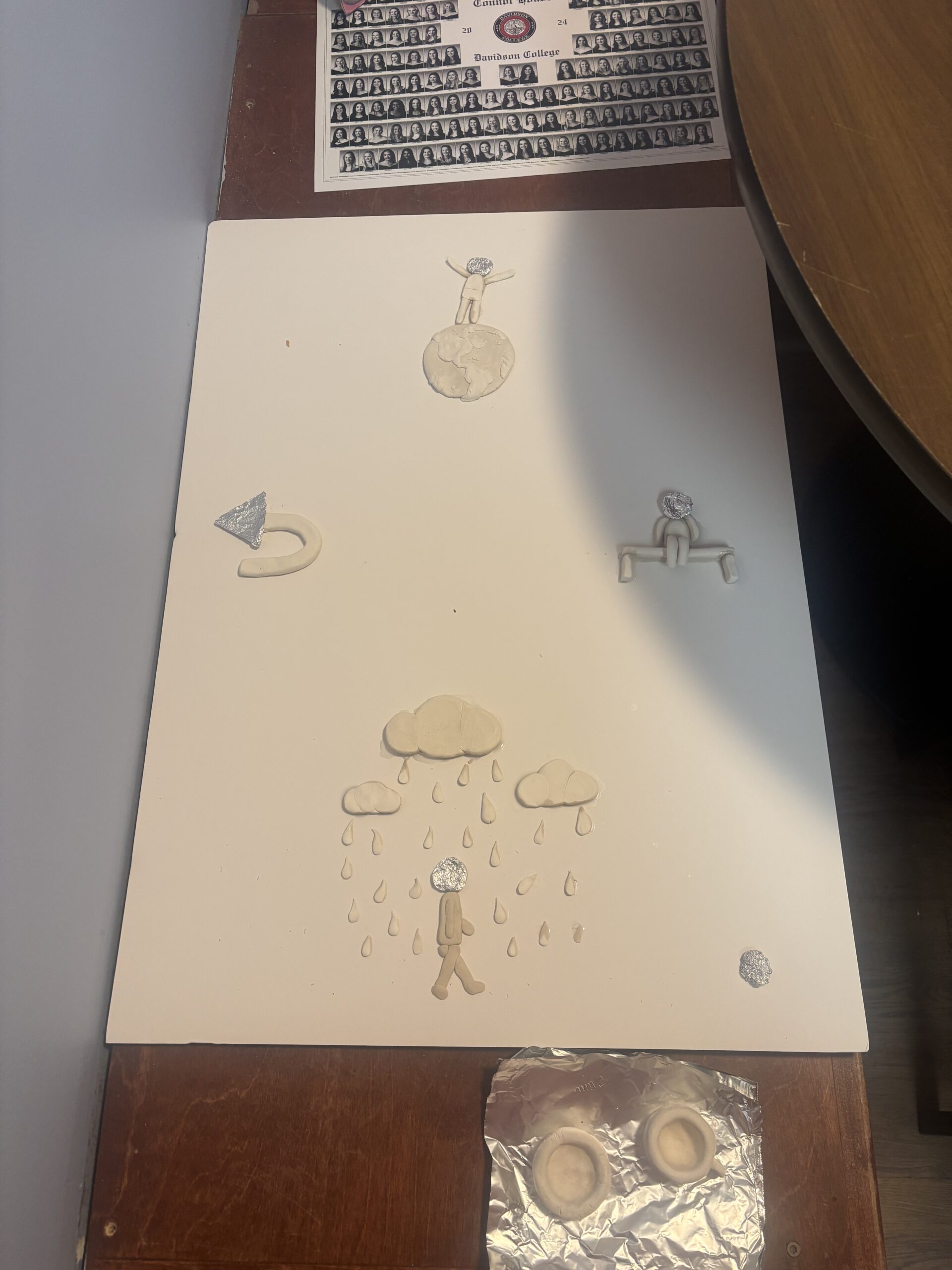
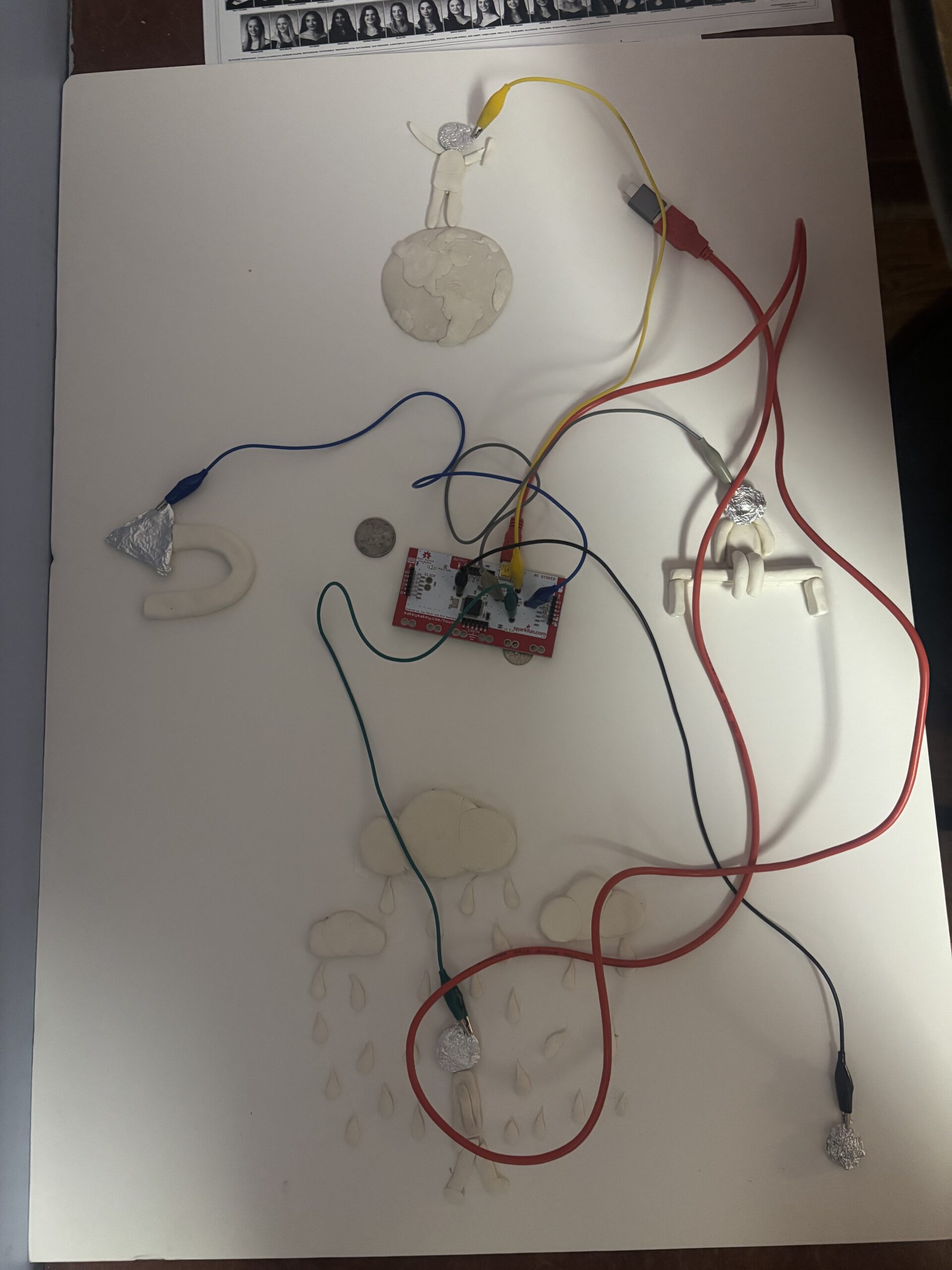
The physical manifestation of my project—a board with a minimalistic interface—was crafted with intentional simplicity. Initially, I toyed with the idea of a vibrant, colorful design. However, I eventually opted for a more restrained, colorless representation. This decision was deliberate: by stripping away the distractions of color and ornamentation, each symbol on the board is allowed to speak for itself. The act of interacting with the board—reaching up when feeling high and reaching down when feeling low—embodies the raw, unadorned actions that underpin our emotional experiences.
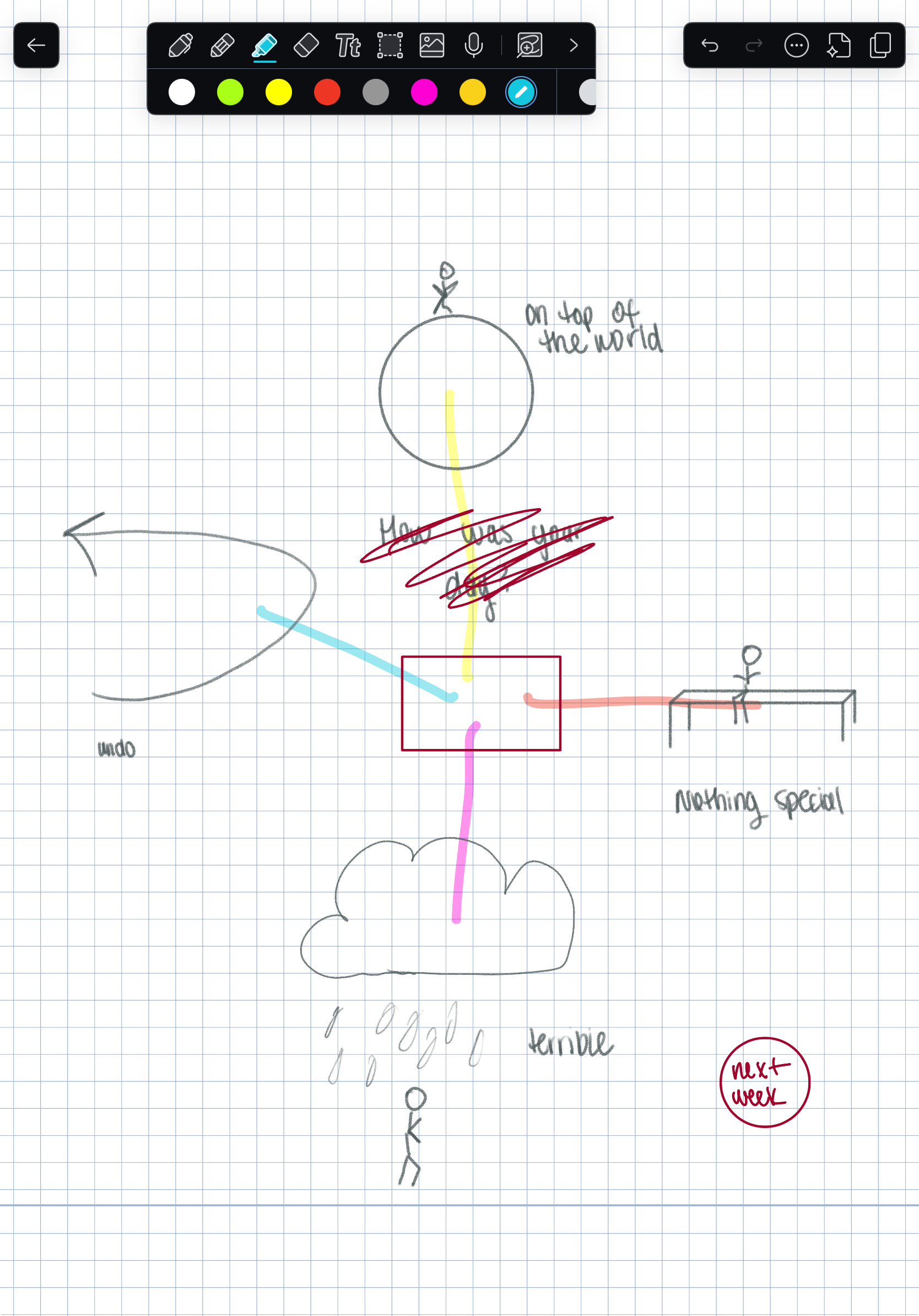
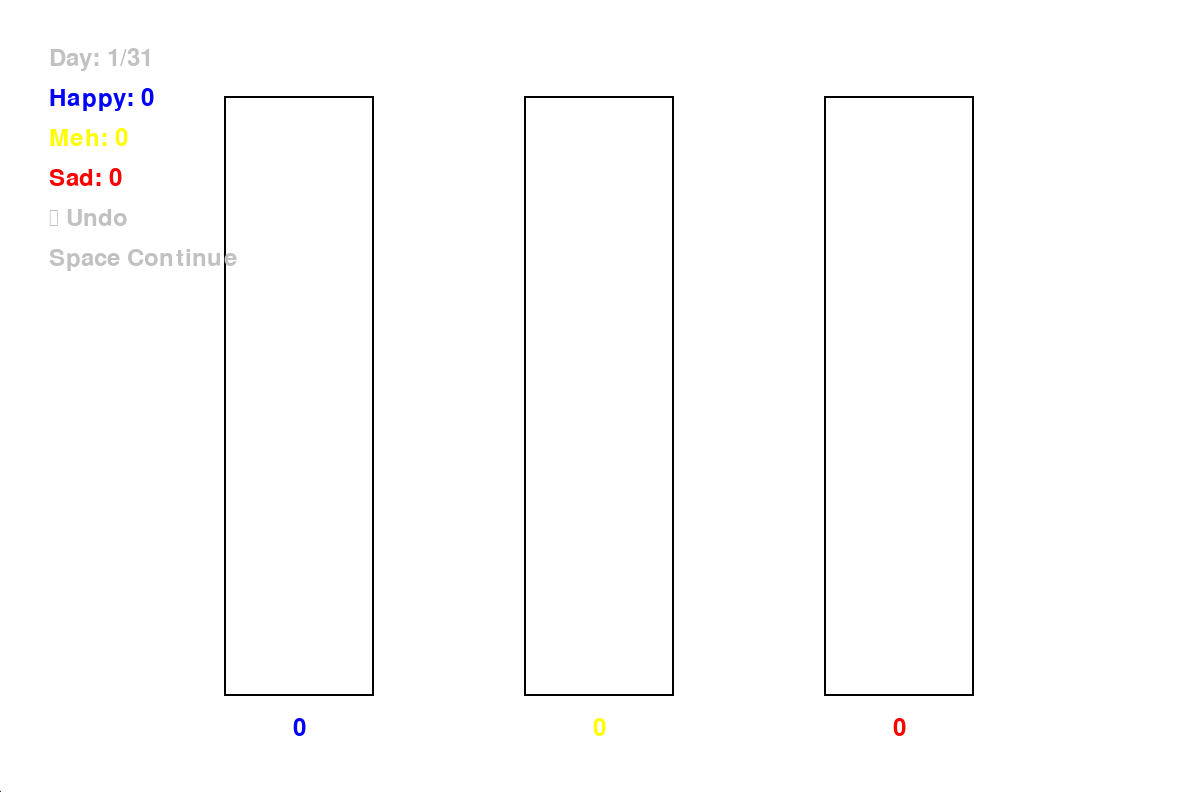
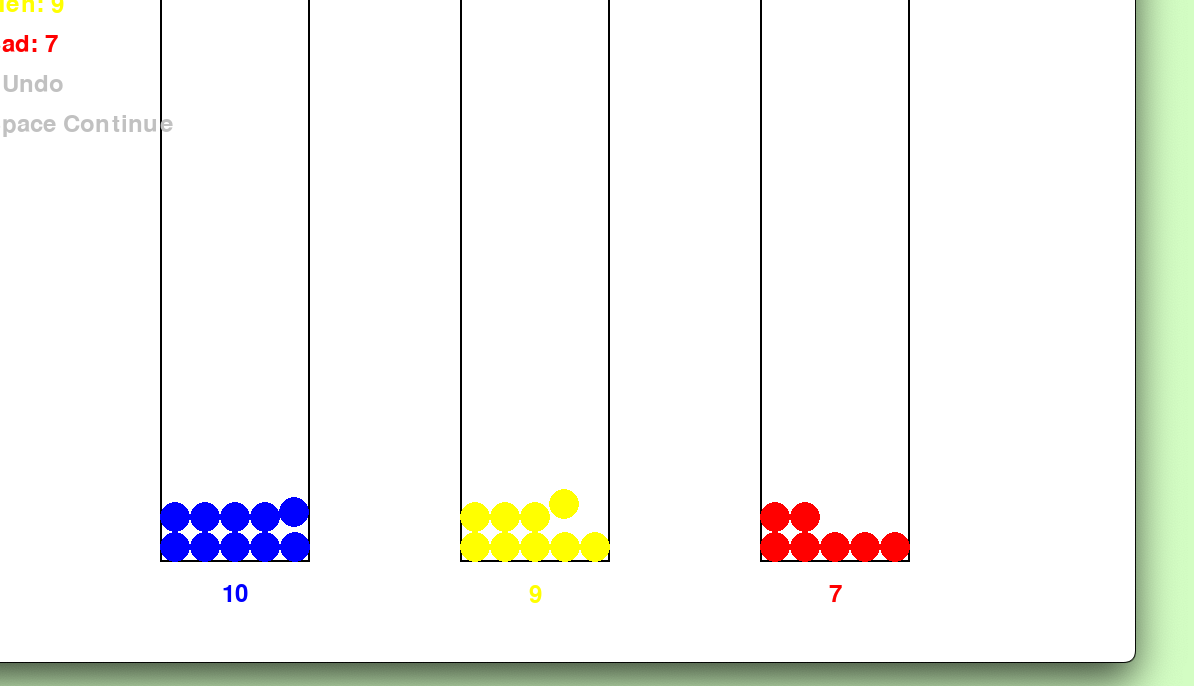
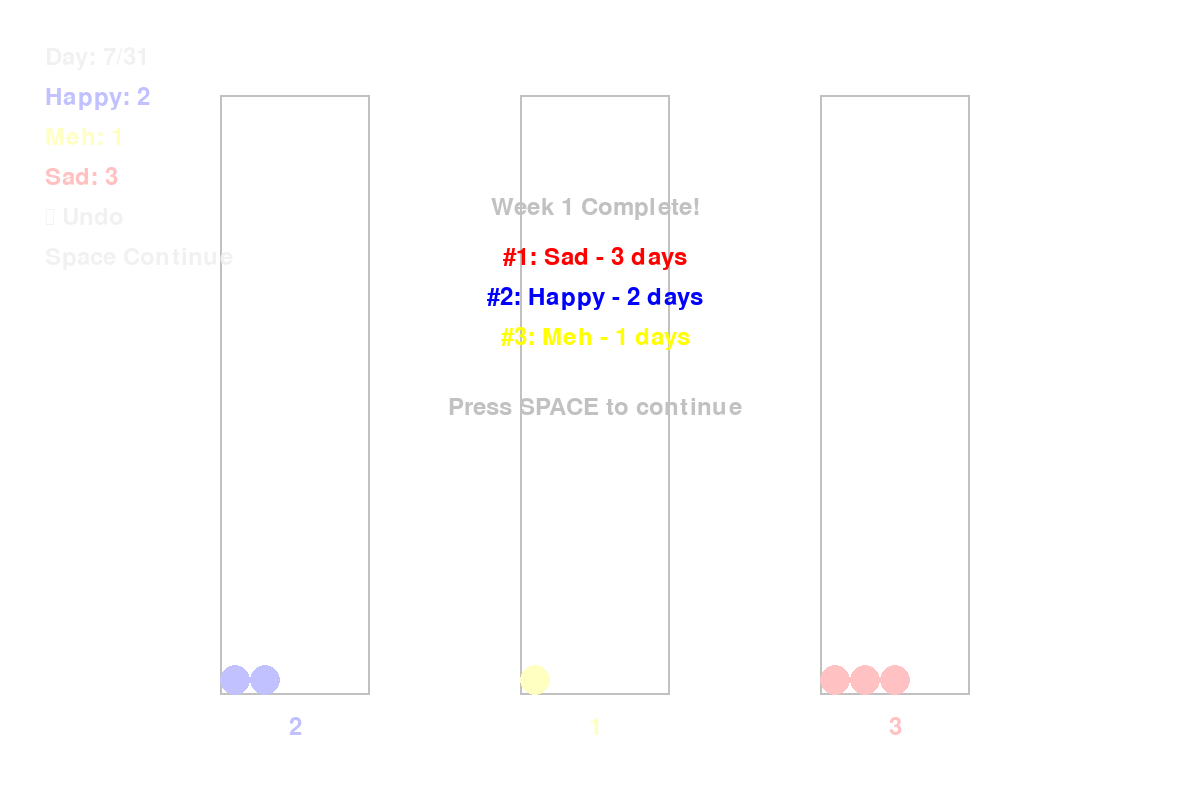
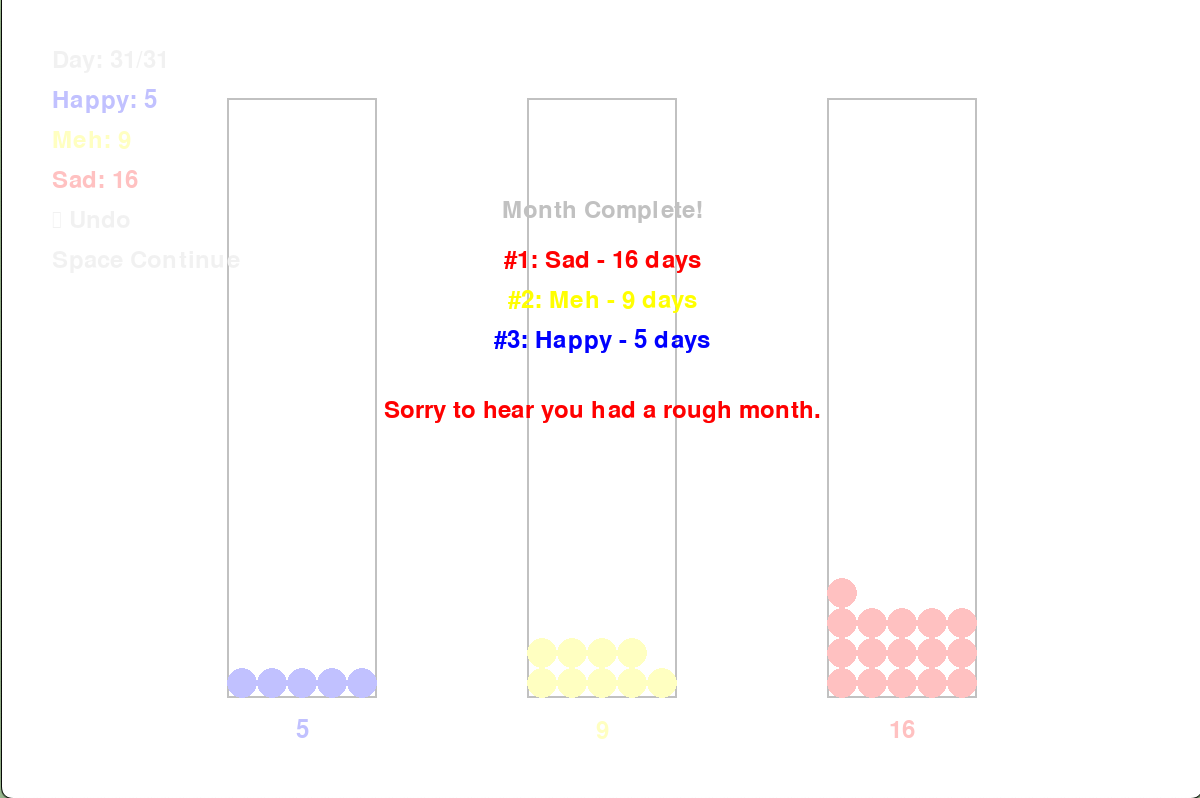
The accompanying digital game maintains this minimalist aesthetic. Its rudimentary look and flat scoring system, complete with emotionless summary messages, serve as a stark commentary on the coldness of “winning” and “losing” cultures, particularly in the context of mental health. The game’s design underscores the often impersonal nature of self-help tools, highlighting how an overemphasis on productivity and measurable outcomes can detract from the genuine, messy process of emotional well-being.
Ultimately, my project is a meditation on the interplay between play and mental health. By subverting the conventional expectations of self-help games, I aim to provoke a critical reflection on how we conceptualize and pursue happiness. Through this playful yet critical lens, the hack challenges us to reconsider the cost of equating emotional wellbeing with a game—a game that might promise self-improvement but, in its very structure, risks reinforcing harmful narratives about success and failure in our personal lives.
LF
Works Cited
Caillois, Roger, and Norbert Elias. “The Classification of Games.” Sport: Readings from a Sociological Perspective, edited by Eric Dunning, University of Toronto Press, 1971, pp. 17–39. JSTOR, http://www.jstor.org/stable/10.3138/j.ctt1gxxrtw.9. Accessed 4 Feb. 2025.
Huizinga, Johan. Homo Ludens: A Study of Play-Element in Culture. Routledge, 2002.
“Log Your Moods and Emotions and Take Mental Health Assessments.” Apple Support, support.apple.com/en-us/105000. Accessed 4 Feb. 2025.

Leave a Reply